Comprehensive Digital Penetration and AI Reshaping the Entire Foreign Trade Chain
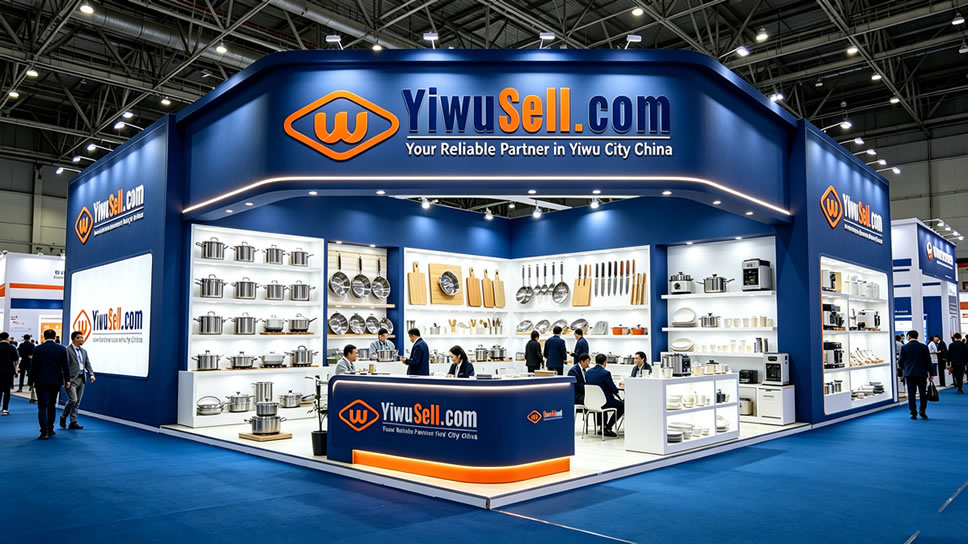
Comprehensive Digital Penetration and AI Reshaping the Entire Foreign Trade Chain
1. Customer Acquisition: Overhauled Traffic Logic, Digital Channels Drive Sustainable Growth
AI further amplifies the value of digitalization. It automatically mines search keywords of global buyers, generates multilingual SEO articles, marketing videos and personalized outreach emails in batches. It screens customs data and social leads to identify high-intent prospects, eliminating inefficient blind outreach.
For merchants in Yiwu China, the dual-channel model — offline booth operation in Yiwu market plus online digital customer development — has become standard practice. Businesses without digital layout and AI content creation capabilities face rising customer acquisition costs and shrinking inquiries. Nowadays, overseas buyers prefer to search suppliers via search engines and AI tools; the traditional model of waiting passively for buyers gradually loses competitiveness.
2. Operation & Communication: Eliminate Time Zone and Language Barriers for Non-Stop Global Business
AI handles inquiries 24/7, identifies buyer demands, answers routine questions and drafts quotations and business letters automatically. It adjusts communication styles to fit local cultural customs for different markets. Previously, multiple salespeople needed to take shifts to serve buyers across time zones. Today, compact teams can manage global clients efficiently with AI support.
It is worth noting that AI takes care of repetitive standardized tasks, while sales staff focus on high-value negotiation, trust building and customized demand communication. Human-AI collaboration becomes the mainstream operation model for traders in Yiwu.
3. Products & Supply Chain: Adapt to Small-Batch Quick Orders and Flexible Manufacturing
On the supply chain side, AI integrates data on orders, inventory and logistics to forecast market demand and avoid overstock. It compares freight rates and transit time of multiple transport routes, optimizes logistics arrangements and warns of port congestion and freight volatility in advance. Leveraging the complete industrial cluster of Yiwu market, AI helps merchants match multiple suppliers for consolidated shipments and maximize the flexibility of the 1039 market purchase trade model.
4. Compliance, Risk Control & Enterprise Management
Moreover, digital CRM systems combined with AI build buyer profiles, classify customers and help enterprises allocate resources to high-potential clients.
5. Common Challenges Faced by SMEs
6. Outlook & Strategic Suggestions
Competitive foreign trade enterprises in the future will adopt this business framework: supply chain advantages from Yiwu market + Google SEO independent websites + AI-driven efficiency improvement. Companies need to shift from price competition to data-driven operation. Supported by AI, merchants can capture overseas demand and launch differentiated products. Digital channels provide stable leads, while intelligent tools cut labor costs and trial-and-error expenses.
For small and medium traders in Yiwu China, early digital layout and proper AI application will help them adapt to fragmented orders and diversified global markets. Businesses sticking solely to offline trading will face continuous growth pressure.
Leave a Reply